Blooming Hearts Embroidery Design Review
As an experienced embroidery designer, I recently had the opportunity to review the Blooming Hearts machine embroidery design. This design is marketed as a trendy and cheerful addition to fabrics, ideal for t-shirts, towels, or home decor. At first glance, it immediately stood out for its visual charm and versatility, making it a strong candidate for small business merch and branded patch use.
First Impressions: A Playful Yet Professional Design
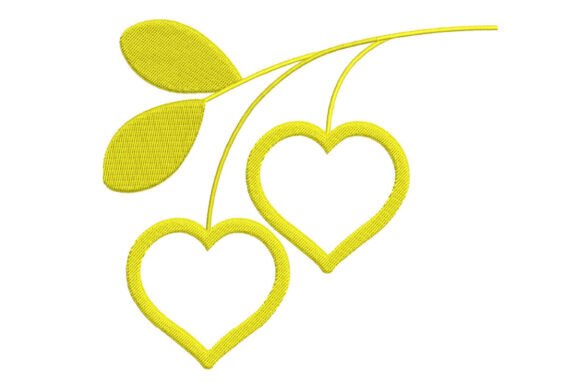
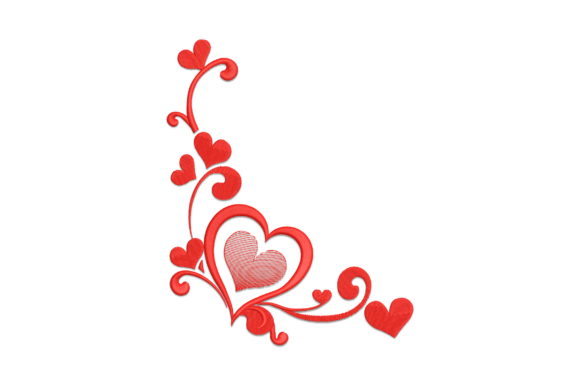
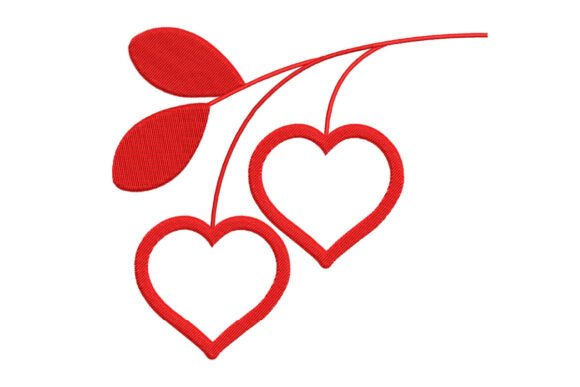
The name Blooming Hearts instantly evokes feelings of love, warmth, and creativity—perfect for Valentine’s Day themes or any brand looking to infuse a sense of joy into their merchandise. The design itself features delicate floral elements intertwined with heart motifs, giving it a friendly and artistic feel. It balances between playful and professional, which makes it suitable for a wide range of applications from boutique branding to customer gifts.
Its aesthetic is neither too rustic nor overly modern; instead, it sits comfortably in the middle, appealing to both handmade and premium product lines. This balance is crucial for businesses aiming to create a cohesive brand identity while maintaining a touch of whimsy.
Real Business Use: Where Blooming Hearts Shines
Blooming Hearts can be effectively used across various small business merch applications. Here are some practical examples:
- Embroidered Patches: As a standalone embroidered patch, it adds a charming detail to tote bags, jackets, or aprons. Its intricate yet not overly detailed pattern ensures it remains legible even at smaller sizes.
- Staff Uniforms: When placed on work shirts or apron embroidery, it brings a personal touch to uniforms, enhancing the overall look without overpowering the design.
- Cap Embroidery: The design works well as a cap embroidery piece, especially when positioned on the back or side. However, care should be taken with placement to avoid overcrowding the cap front.
- Tote Bag Design: On tote bags, Blooming Hearts serves as a subtle but effective brand accent, particularly when paired with minimalistic branding.
- Customer Gifts: It's an excellent choice for custom apparel or branded merchandise given to customers, reinforcing brand recognition with a memorable visual element.
- Etsy Branding: For handmade brands selling on Etsy, this design can be used as part of product packaging accents or included in printable mockups to showcase the finished product.
Its adaptability makes it a valuable asset for commercial embroidery projects, whether for event merch, boutique merchandise, or craft business assets.
Considerations for Careful Use
While Blooming Hearts is versatile, there are certain scenarios where it should be used with caution:
- Small Patch Sizes: The design may lose clarity if reduced too much, so testing at different scales is essential before finalizing production.
- Curved Surfaces: Due to its layered appearance, it may not render as smoothly on curved surfaces like mugs or hats.
- High Stitch Density: If used on items that require frequent washing, ensure the stitch density is optimized to prevent fraying.
- Dark Fabrics: Thread color contrast should be checked to maintain visibility on dark uniforms or garments.
- Fabric Texture: On textured fabrics, the design might not stand out as intended, so fabric selection is key.
These factors should be considered during the design review process to ensure the final product meets quality expectations.
Impact on Brand Identity and Customer Perception
Using Blooming Hearts can significantly influence how a brand is perceived. Its cheerful nature helps establish a friendly and approachable brand image, which is especially beneficial for local businesses like cafés, bakeries, or florists. It also contributes to brand identity by providing a consistent visual element across various merchandise types.
For handmade product lines, this design reinforces a sense of craftsmanship and attention to detail. It can enhance product value and increase buyer engagement, especially when paired with other design assets that align with the brand's overall theme.
Additionally, it supports customer trust and recognition, as consistent branding across merch, packaging, and marketing materials helps build familiarity and loyalty among consumers.
Practical Embroidery Designer Notes
Before using Blooming Hearts in a commercial setting, consider these tips:
- Test in Black and White: Check how the design looks in monochrome to ensure it retains its visual appeal without color.
- Check Small Patch Size: Confirm that the design maintains clarity at smaller dimensions, especially for patches or cap embroidery.
- Review Thread Color Contrast: Ensure the thread colors provide enough contrast against the fabric background.
- Inspect Spacing: Make sure the spacing between elements allows for proper stitching without distortion.
- Confirm Hoop Size: Verify that the design fits within the chosen hoop size for efficient production.
- Test on Real Fabric: Always test the design on actual fabric before mass production to account for texture and drape.
- Use Proper Stabilizer: Choose the right stabilizer to prevent puckering or shifting during the embroidery process.
- Create a Mockup: Provide a printable mockup for client approval to ensure alignment with their brand vision.
- Compare with Other Assets: Place Blooming Hearts beside other design assets to ensure visual consistency.
- Confirm Commercial Licensing: Ensure you have the appropriate license for commercial use, as this is critical for small business merch.
By following these guidelines, you can ensure that Blooming Hearts performs well in real-world applications and delivers the desired impact for your brand.
In conclusion, Blooming Hearts is a versatile and visually appealing machine embroidery design that can elevate small business merch and branded patches. Whether used for custom apparel, tote bag design, or event merch, it adds a unique and memorable touch that supports brand identity and customer engagement. Just remember to test thoroughly and consider practical limitations before moving forward with production.